Aluminum Casting: Precision Foundry for Prototypes and Short Series
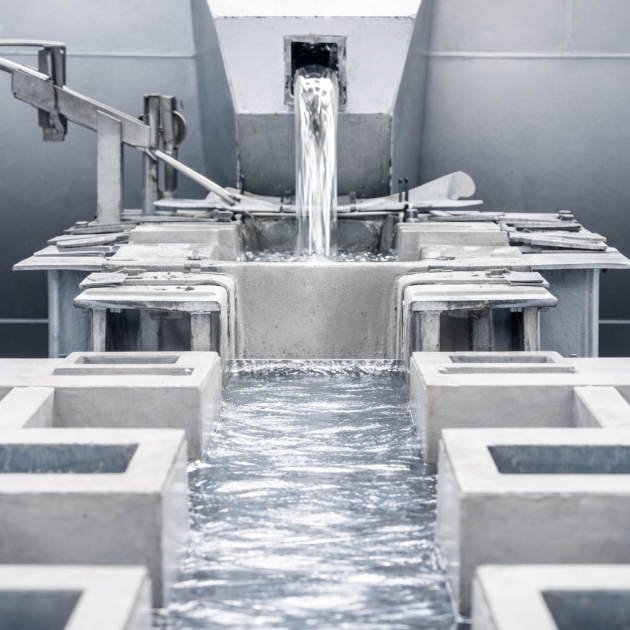
Technical Section: What Aluminum Casting Is and How It WorksAluminum casting is a manufacturing technology that allows the creation of complex metal parts, from intricate geometries to precision components, without the need for intensive machining. It consists of pouring molten aluminum (at approximately 700–750°C) into a mold, allowing it to solidify by adopting the shape of the mold, and subsequently extracting the part.
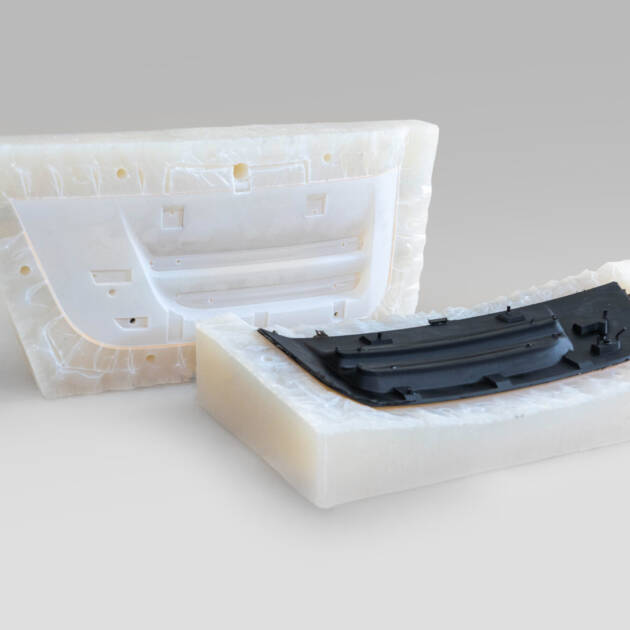
Unlike plastic injection molding, where the mold is permanent and reusable thousands of times, in aluminum casting the molds can be disposable (sand, plaster) or permanent (steel, copper). The selection depends on volume, required tolerances, and part complexity.
At ProtoSpain, we mainly work with two variants: sand casting (rapid casting) for fast prototyping and short series, and permanent mold casting (die-casting in some cases) for higher volumes. Here we explain the science behind each.
1. CAD Design and Castability Analysis
We receive your 3D model. Our engineering team evaluates:
Draft angles: can the part be extracted from the mold without tearing or trapping it?
Section changes: are there abrupt transitions that would cause metal accumulation and internal stresses?
Wall thicknesses: are they uniform, or are there thick/thin areas that would solidify at different speeds?
Critical shrinkage points: when aluminum cools, it shrinks. If shrinkage is uneven, parts warp, crack, or become porous.
Metal inlet location (feeder): where do we pour the aluminum so it fills the cavity correctly without trapping air?
Venting and breathing system: how will displaced air escape as the metal fills the cavity?
This analysis is called DFM for casting (Design for Manufacturability in casting). If the design is not optimal, non-invasive suggestions are made: change an angle, add a small radius, slightly redistribute material. All while preserving the original function and intent.
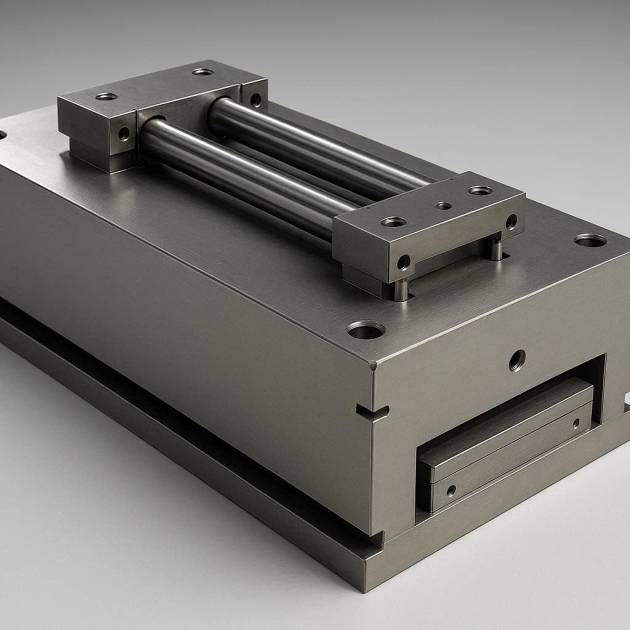
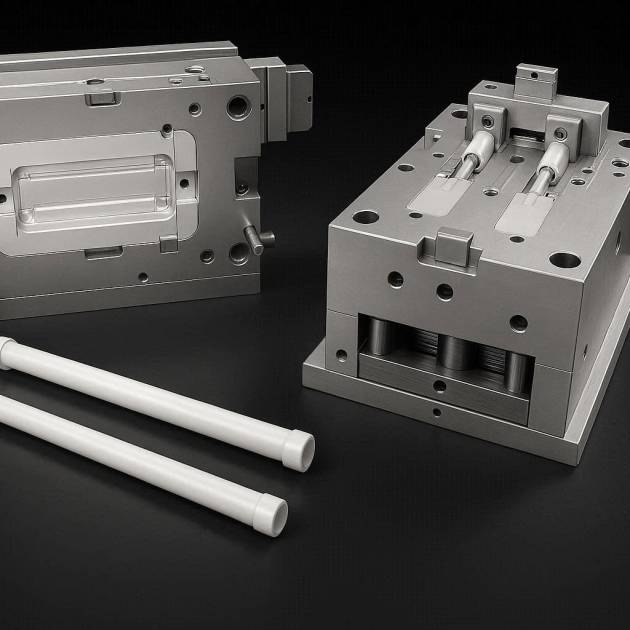
2. Mold Manufacturing (Sand or Permanent)
Here a fundamental choice occurs: the type of mold.
Sand Mold (Binder Jetting Sand Casting)
Process: special sand is compacted around a pattern made of expanded foam or 3D printed.
Pattern: dissolves or burns during the process, leaving a cavity.
Molding: an automated machine compacts sand in layers, creating the cavity with precision.
Moldability: almost any shape is possible (even shapes impossible with metal molds).
Tolerances: typically ±0.5–1 mm (acceptable for many applications).
Surface finish: typical Ra 6.3–12.5 µm (critical surfaces require post-machining).
Cost: low to medium (€50–€300 per mold typically).
Manufacturing time: 1–2 weeks (fast).
Tool life: disposable, single use.
Permanent Mold (Steel or Copper)
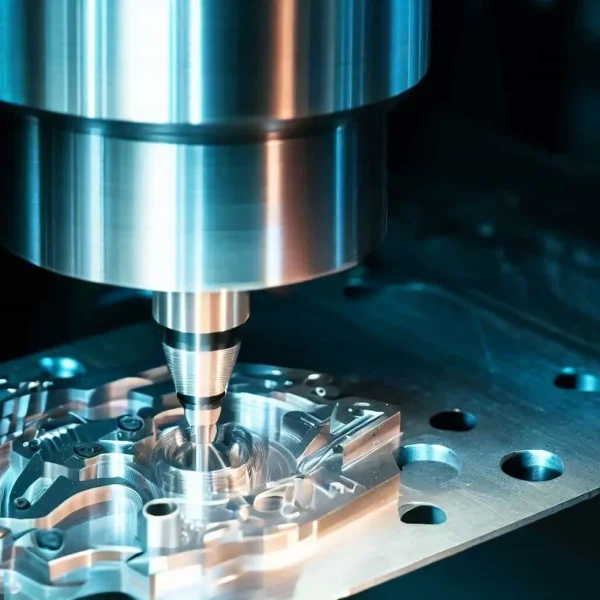
Process: the mold is manufactured in steel or copper (CNC machined), preheated to 200–300°C, aluminum is poured.
Tolerances: better than sand, typically ±0.2–0.5 mm.
Surface finish: Ra 1.6–3.2 µm (better than sand).
Limitations: undercut shapes are problematic (metal becomes trapped and cannot be extracted).
Cost: higher (€500–€2,000 per mold).
Manufacturing time: 3–4 weeks (metal mold machining).
Tool life: 500–2,000 castings typically (depends on poured material, then degrades).
Best for: series of 100–1,000 parts where improved tolerance justifies cost.
3. Aluminum Preparation
Here aluminum is melted at 700–750°C. Several critical steps:
Cleaning: oxide and impurities are removed.
Alloying: elements (copper, silicon, magnesium) are added to improve mechanical properties.
Degassing: dissolved gas is removed from molten aluminum. Trapped gas causes porosity.
Controlled temperature: aluminum is kept within an exact range (too hot → weak coarse parts; too cold → incomplete filling).
4. Metal Pouring into the Mold
This is critical. Aluminum at ~700°C is poured at controlled speed:
Pouring speed: too fast → turbulence, trapped air, porosity. Too slow → metal cools before filling.
Mold temperature: mold must be preheated (200–300°C typical) so aluminum flows well and solidifies slowly (less internal stress).
Sequential filling: metal front advances uniformly, avoiding air pockets.
Feeding system: the feeder (a hot metal reservoir) ensures that as the part cools and shrinks, hot metal is available to compensate.
5. Solidification and Controlled Cooling
Once the mold is filled:
Solidification speed: controls grain size (smaller grains → stronger metal).
Controlled via mold cooling.
Shrinkage: aluminum shrinks ~6–7% on cooling.
Uneven shrinkage causes cracks, warping, or internal porosity.
Venting: gases must escape during solidification.
Without ventilation, gas pressure traps porosity.
Cooling time: typically 15–60 minutes (depending on part size).
6. Extraction and Post-Processing
Once solidified:
Demolding: mold opens (sand collapses, metal mold opens).
Removal of feeders and runners: feeding channels are cut off.
Cleaning: sand residues and surface oxides are removed.
Post-casting machining: CNC machining if tight tolerances or specific finishes are required.
Heat treatment (optional): to improve mechanical properties (aging, quenching).
Surface finishing: shot blasting, polishing, anodizing as required.
Types of Casting: Comparison
Aspect | Sand Casting |
| Precision Casting (Lost Foam) |
|---|---|---|---|
Tolerances | ±0,5–1 mm | ±0,2–0,5 mm | ±0,2–0,5 mm |
Surface finish | Ra 6,3–12,5 µm | Ra 1,6–3,2 µm | Ra 1,6–3,2 µm |
Geometric complexity | Excellent, no limits | Limited (no undercuts | Excelent |
Mold cost | €50–€300 | €500–€2.000 | €200–€800 |
Cost per part (low volume) | €50–€200 | €100–€300 | €80–€250 |
Cost per part (high volume) | €20–€80 | €30–€100 | €25–€80 |
Mold lead time | 1–2 weeks | 3–4 weeks | 2–3 weeks |
Mold lifetime | 1 use (disposable) | 500–2.000 uses | 100–500 uses |
Recommended Volume | 1–50 parts | 50–1.000 parts | 10–500 parts |
Best for | Complex geometries, low volume | Short series, tighter tolerances | Precise parts, low volume |
Aluminum Alloys: Selection and Specific Characteristics
One of the greatest advantages of aluminum casting is alloy versatility. Each alloy has completely different mechanical, chemical, and processing properties.
1. Pure Aluminum (1050, 1060, 1070)
General Properties
Strength: low. Typical yield strength ~40 MPa.
Density: 2.7 g/cm³.
Thermal conductivity: excellent.
Electrical conductivity: excellent.
Corrosion resistance: excellent; forms protective oxide.
Machinability: good.
Casting Specifics
Oxygen affinity: pure aluminum oxidizes easily. Requires care during degassing.
Low fluidity: flows less than copper/silicon alloys. Requires higher temperatures and careful cavity design.
Shrinkage: ~6–7% typical. Applications
Applications requiring excellent electrical conductivity (electrical connections, heat sinks, power transmission components).
Corrosive environments where natural aluminum corrosion resistance is critical (marine components, often anodized).
Parts where high mechanical strength is not required but lightness is.
Cost
Low to very low. One of the most economical options.
General Properties
- Strength: moderate. Typical yield strength ~160 MPa.
- Corrosion resistance: good.
- Machinability: excellent.
- Fluidity: very high. It is THE reference alloy for casting (sand or permanent mold).
- Density: 2.71 g/cm³.
Casting Specifics
- Excellent fluidity: alloy 380 flows like water, filling complex cavities and thin walls.
- Low casting temperature: lower melting point than pure aluminum (~550°C), meaning less energy and less shrinkage.
- Porosity: tends to develop small gas pores if not well degassed. Requires aggressive degassing.
- Modification: often modified with strontium or sodium to refine grain structure and improve mechanical properties.
- Shrinkage: ~6–7% typical.
Applications / Use cases
- Machine housings (pumps, motors): thin walls, complex geometry.
- Automotive components: engine blocks (simplified), cam housings, oil pans.
- Electrical connectors and fittings: complex geometry, volume production.
- Virtually any industrial casting: if you need easy, fast casting, 380 is your ally.
Cost
Very low. Cheapest material, easiest to cast = lowest casting cost.
General Properties
- Strength: high. Typical yield strength ~240 MPa (T6 condition).
- Corrosion resistance: excellent.
- Machinability: good.
- Fluidity: moderate (lower than 380, but acceptable).
- Density: 2.7 g/cm³.
- Weight: lightweight, ideal for applications requiring lightness + strength.
Casting Specifics
- Casting complexity: more difficult than 380 (lower fluidity). Requires higher temperatures, more careful mold design, optimized feeding systems.
- Magnesium affinity: contains magnesium, which improves strength but complicates degassing (produces magnesium gas).
- Post-casting heat treatment: to reach “T6” properties (artificial aging), quenching and aging are required (160–180°C, 18–24 hours). This significantly improves strength.
- Shrinkage: ~6–7% typical.
Applications / Use cases
- Structures and supports: where stiffness + strength + lightness are required.
- Aerospace components: excellent strength-to-weight ratio.
- Precision applications: when 380 does not provide sufficient mechanical strength.
- Components that will be machined post-casting: 6061 is easier to machine than 380.
Cost
Medium. Material more expensive than 380, more complex process → higher price.
General Properties
- Strength: very high. Typical yield strength ~505 MPa (T6 condition). One of the strongest available.
- Strength-to-weight ratio: exceptional.
- Corrosion resistance: moderate (lower than 6061, requires protection).
- Machinability: moderate; more difficult than 6061.
- Density: 2.81 g/cm³.
Casting Specifics
- Extremely difficult to cast: high oxygen affinity, low fluidity, highly prone to porosity and solidification cracking.
- Critical temperatures: must be at exact temperature (too hot → degradation; too cold → poor flow).
- Requires expertise: 7075 casting is for specialists. Not recommended for casual prototyping.
- Frequent post-casting machining: due to porosity, cast parts are typically machined to remove internal defects.
- Critical heat treatment: post-casting aging is essential to achieve final properties.
Applications / Use cases
- Critical aerospace components: where weight and strength are absolutely critical.
- Aircraft structures, missiles, space vehicles.
- Military applications: where oversizing is not an option.
Note: 7075 casting is exceptional. In prototyping, 6061 is often recommended as a compromise.
Cost
High. Expensive material, highly specialized process, potential rejection rate due to internal defects.
General Properties
- Strength: moderate to good. Typical yield strength ~165 MPa.
- Corrosion resistance: good.
- Machinability: moderate.
- Fluidity: good (better than 6061, similar to 380 but slightly lower).
- Density: 2.68 g/cm³.
Casting Specifics
- Ideal balance: combines good fluidity (like 380) with moderate-good strength (better than 380, lower than 6061).
- Grain structure: naturally refined if properly modified.
- Porosity: less prone than 380, but more than 6061.
- Shrinkage: ~7% typical (slightly higher than 380).
Applications / Use cases
- Real automotive engine blocks (not just oil pans).
- Transmission components: cylinder heads, housings, suspension parts.
- Parts requiring moderate strength + complex geometry.
Cost
Medium. Less expensive than 6061, more expensive than 380.
General Properties
- Strength: low to moderate. Typical yield strength ~130 MPa.
- Fluidity: exceptional. Even better than 380.
- Melting point: low (~570°C).
- Corrosion resistance: good.
- Machinability: excellent.
Casting Specifics
- Extreme fluidity: can cast very thin walls and extremely complex geometries.
- Low casting cost: low temperature = less energy, less equipment wear.
- Low porosity (if properly degassed): high fluidity helps expel trapped air.
- Low shrinkage: among the lowest, ~5–6%.
Applications / Use cases
- Geometries impossible to cast with other alloys: very thin walls, intricate details.
- Rapid prototypes where strength is not critical.
- Applications where low cost is the priority.
Cost
Very low. Economical material, easy to process.
General Properties
- Strength: very high.
- Density: ~2.77–2.79 g/cm³.
- Corrosion resistance: moderate (due to copper content).
- Thermal resistance: can operate at higher temperatures (~200°C continuous service).
Casting Specifics
- Extremely difficult to cast: oxygen affinity, low fluidity, highly defect-prone.
- Inevitable porosity: almost always present, requires post-machining.
- Requires maximum expertise.
- Not recommended for casual prototyping.
Applications / Use cases
- High-demand aerospace components.
- High-temperature applications.
- Special cases where extreme strength justifies complexity.
Cost
High. Highly specialized.
|
Alloy |
Strength |
Fluidity |
Corrosion Resistance |
Machinability |
Casting Difficulty |
Cost |
Best for |
|---|---|---|---|---|---|---|---|
|
1050 (Pure) |
Low |
Moderate |
Excelent |
Good |
Moderate |
Very low |
Electrical conductivity, corrosive environments |
|
380 |
Moderate |
Excelent |
Good |
Excelent |
Easy |
Very low |
Complex geometries, low volume, housings |
|
6061-T6 |
High |
Moderate |
Excelent |
Good |
Moderate |
Medium |
Strength + lightness, structures, aerospace |
|
7075 |
Very high |
Low |
Moderate |
Moderate |
Very difficult |
High |
Critical aerospace, extreme weight sensitivity |
|
356 |
Moderate–Good |
Good |
Good |
Moderate |
Easy–Moderate |
Medium |
Engine blocks, suspension, automotive |
|
413 |
Low–Moderate |
Exceptional |
Good |
Excelent |
Very easy |
Very low |
Thin walls, impossible geometries |
- 1. Porosity (Internal Gas Bubbles)
Cause:
Dissolved or trapped gas in molten aluminum remains after solidification.
Symptoms:
Small cavities inside the part (only visible if cut or X-rayed). Affects mechanical properties and aesthetics.
Solutions:
- Rigorous degassing (argon bubbling, degassing equipment).
- Reduce casting temperature (less gas dissolves in cooler metal).
- Improve mold design: optimized feeding systems, proper vents.
- Improve pouring speed (neither too fast nor too slow).
- Use modifiers (strontium, sodium) to refine structure.
Most sensitive materials:
380 (if not aggressively degassed), 7075, complex alloys.
- 2. Cracking (Hot Cracks)
Cause:
Excessive internal stress during solidification, especially when shrinkage is uneven.
Symptoms:
Visible crack in the part (small or large). Typically occurs at abrupt section changes.
Solutions:
- Design: eliminate abrupt section changes, add transition radii.
- Mold preheating: ensure mold reaches correct temperature before pouring.
- Shrinkage control: feeding systems that compensate contraction.
- Controlled cooling: avoid cooling too fast (generates stress).
- Post-casting heat treatment: relieves internal stresses.
Most sensitive material:
7075 and very high-strength alloys (less ductile, tolerate stress poorly).
- 3. Sand Inclusions
Cause (sand casting):
Sand particles from the mold remain attached or embedded in the part.
Symptoms:
Rough areas, sand pits on surface. Affects finish.
Solutions:
- Improve sand quality: finer sand, better binder.
- Improve demolding: extract part carefully.
- Post-casting cleaning: shot blasting, chemical bath to remove sand.
Not applicable to:
Permanent mold (no sand).
- 4. Incomplete Filling (Short Shot)
Cause:
Metal solidifies before completely filling the cavity.
Symptoms:
Incomplete part, missing design sections.
Solutions:
- Increase casting temperature (hotter metal flows better).
- Improve feeder design: larger inlet, better positioning.
- Reduce geometric complexity: avoid very thin walls, long tunnels.
- Improve mold ventilation: trapped air blocks flow.
- AIncrease mold size to improve heat conduction.
Most sensitive materials:
Low-fluidity alloys (7075, 6061, 2024).
- 5. Flash (Excess Material on Parting Line)
Cause:
Metal leaks through the parting line where mold halves meet.
Symptoms:
Thin metal film around the part.
Solutions:
- Improve mold fit: parting line must be perfect.
- Reduce pouring pressure.
- Improve design: feeder positioned to reduce pressure on parting line.
- 6. Metallic Inclusions (Oxide, Slag)
Cause:
Aluminum oxide or contaminants floating in molten metal become incorporated into the part.
Symptoms:
Hard particles inside the part, may affect later machining.
Solutions:
- Rigorous metal cleaning: filtering, degassing.
- Rest time: allow oxide to float before pouring.
- Pouring technique: keep nozzle submerged to avoid splashing (splashing creates oxide).
- 7. Distortion (Warpage)
Cause:
Uneven cooling or internal stress during solidification.
Symptoms:
Hard particles inside the part, may affect later machining.
Solutions:
- Design: uniform walls, avoid isolated thick areas.
- Mold temperature: uniform across the part.
- Controlled cooling: avoid overly fast cooling.
- Heat treatment: post-casting stress relief.
- Physical restraint: in some cases, part is held during cooling.
Below is how aluminum casting compares to other processes already covered.
|
Aspect |
Aluminum Casting |
Plastic Injection |
CNC MACHINING |
Metal 3D Printing |
|---|---|---|---|---|
|
Tolerances |
±0,5–1 mm (arena), ±0,2–0,5 mm (permanente) |
±0,05–0,10 mm |
±0,02–0,05 mm |
±0,1–0,2 mm |
|
Surface finish |
Ra 6–12 µm (sand), Ra 1–3 µm (permanent) |
Ra 0,8–1,6 µm |
Ra 0,1–0,8 µm |
Ra 3–6 µm |
|
Materials |
Aluminum, other castable metals |
Thermoplastics only |
Any machinable metal/plastic |
Metal powders (limited) |
|
Geometric complexity |
Excellent, undercuts possible |
Limited (undercuts are an issue) |
Limited to machinable geometry |
Excelent |
|
Prototype speed |
1–3 weeks mold + casting |
2–3 weeks mold + injection |
Days/weeks (depends on complexity) |
1–2 weeks |
|
Tooling cost (low volume) |
€50–€300 (sand), €500–€2k (permanent) |
€5k–€15k |
€0 (no mold) |
€0–€5k |
|
Cost per part (1–10 pcs) |
€80–€300 |
€50–€200 (if mold amortized) |
€50–€500 |
€100–€400 |
|
Cost per part (1,000 pcs) |
€20–€80 |
€2–€10 |
Very expensive (labor hours) |
€15–€50 |
|
Mechanical properties |
Real metal, excellent |
Plastic, limited |
Real metal, excellent |
Metal, good but porous |
|
Best for |
Low-volume metal parts, complex geometry |
High-volume plastic parts |
Extreme precision, any material |
Impossible geometries, fast prototypes |
Phase 1: DFM Evaluation and Alloy Selection (3–5 days)
We receive your CAD model. We analyze:
- Castability: is the geometry viable for casting?
- Optimal alloy: 380 for fluidity and low cost? 6061 for strength? 413 for thin walls?
- Mold type: rapid sand for low cost? permanent mold for tighter tolerances?
- Required finishes: post-casting machining? anodizing?
If the design has castability issues, we make non-invasive suggestions (adding radii, moving a section) and generate a quotation.
Deliverables: technical specification, casting quotation, timeline.
Phase 2: Mold Manufacturing (1–4 weeks)
Depending on the selected mold type:
Sand (1–2 weeks):
- 3D design of the pattern (expanded foam or 3D printing).
- Sand compaction around the pattern.
- Pattern removal (combustion or dissolution).
- Mold inspection before casting.
Permanent (3–4 weeks):
- CNC machining of the mold in steel or copper.
- Grinding of critical surfaces.
- Assembly of ventilation and feeding systems.
- Closing and alignment testing.
Phase 3: Aluminum Preparation and Degassing (1–2 days)
- Selection of primary aluminum (or high-quality recycled aluminum).
- Melting in furnace at controlled temperature.
- Rigorous degassing (argon bubbling, filtration).
- Temperature verification before pouring.
Phase 4: Casting (1 day)
- Pouring aluminum into the mold at controlled speed.
- Temperature monitoring.
- Parameter recording (for documentation).
Phase 5: Solidification and Cooling (2–24 hours depending on size)
- Natural or assisted cooling (depending on design).
- Deformation monitoring (apply restraints if critical).
- Porosity control (X-ray if required).
Phase 6: Demolding and Cleaning (1–2 days)
- Mold opening.
- Removal of feeders and runners.
- Surface cleaning (sand dissolves, permanent mold opens).
- Visual inspection for defects.
Phase 7: Post-Processing (3–10 days)
Depending on requirements:
- Machining: if tight tolerances are required.
- Shot blasting / polishing: surface finish improvement.
- Heat treatment: aging to improve strength (especially 6061, 356).
- Anodizing: anti-corrosion protection, aesthetic finish.
- Painting / coating: if required.
Phase 8: Inspection and Documentation (2–3 days)
- Dimensional measurement (CMM for critical tolerances).
- Visual surface inspection.
- X-ray inspection (if requested, to detect internal porosity).
- Material certificates, process parameters.
- Photos of final parts.
|
Parameter |
Ability |
|---|---|
|
Maximum part weight |
Up to 50 kg (sand casting), up to 10 kg (permanent mold) |
|
Maximum dimensions |
600 × 400 × 300 mm typical |
|
Standard tolerances |
±0,5–1 mm (arena), ±0,2–0,5 mm (permanente) |
|
Surface finish |
Ra 6–12 µm (sand), Ra 1–3 µm (permanent) |
|
Available alloys |
380, 356, 413, 6061-T6, 7075 (specialized demand) |
|
Heat treatments |
Artificial aging (T4, T6), stress relief |
|
Surface Finishes |
Shot blasting, polishing, anodizing (Type II/III), painting |
|
Typical lead time |
2–4 weeks mold + casting (sand), 4–6 weeks (permanent |
|
Typical volume |
1–50 parts (sand), 20–1,000 parts (permanent) |
Case 1: Hydraulic Pump Housing (Automotive)
Requirements:
- Complex geometry with multiple internal passages.
- Alloy 356 (moderate-good strength, refined grain structure).
- Volume: initial 200 parts, scalable.
- Tolerances: ±0.5 mm acceptable.
Solution:
- Permanent steel mold (€1,200).
- 200 cast parts produced in 2 weeks.
- Post-casting machining of sealing surfaces (2 hours per part).
- Type II anodizing for corrosion resistance.
Result:
Functional, strong housing, scalable for production.
Case 2: Lightweight Orthopedic Prosthesis Structure
Requirements:
- Aluminum 6061-T6 (lightness + strength).
- Lightweight geometry with strategic reinforcements.
- Tolerances: ±0.3 mm in critical areas (implant interface).
- Volume: 50 parts for initial series.
Solution:
- Permanent mold with conformal cooling systems (€1,500).
- Initial casting in 356, switch to 6061 after validation.
- Post-casting CNC machining of critical areas (1 hour per part).
- Light sandblasting + Type III anodizing for biocompatibility.
- T6 heat treatment for maximum strength.
Result:
Precision, biocompatible, validated structure.
Case 3: Industrial Machine Component with Very Thin Walls
Requirements:
- Wall thickness of 1–1.5 mm (very thin)..
- Intricate geometry.
- Alloy 413 (exceptional fluidity).
- Volume: 30 parts
Solution:
- Sand casting (rapid sand casting) with 3D-printed pattern (€200).
- Direct casting without complexity.
- Minimal machining (feeders only).
- Light shot blasting.
Result:
Fine-detail part impossible to machine, produced quickly and cheaply.
Q: What is the real difference between sand casting and permanent mold casting?
A:
- Sand: disposable mold, fast to manufacture, tolerates complex geometries, tolerances ~±0.5–1 mm, rougher finish. Ideal for low volume, complex geometry.
- Permanent: reusable mold, longer manufacturing time, better tolerances ~±0.2–0.5 mm, better finish. Ideal for moderate volume (50–1,000 parts).
General rule: <50 parts and complex geometry → sand.
50–1,000 parts and tolerance is important → permanent mold.
Q: What if the part has an undercut (area that cannot be extracted from the mold)?
A:
- Sand: no issue. Foam pattern dissolves completely; any shape possible.
- Permanent: problem. Metal would be trapped. Solutions:
- Redesign to remove undercut.
- Use removable cores.
- Switch to sand if geometry requires it.
For prototyping, if you have undercuts and want to keep geometry, sand is the solution.
Q: How much does post-casting machining cost?
A:Depends on machined area and complexity.
Example: 200 g part with critical areas requiring ±0.1 mm:
- CNC machining: 1–2 hours.
- Cost: €40–€80 per part.
- For 200 parts: €8,000–€16,000 additional.
Often, for low volume, post-casting machining costs more than casting itself. That’s why DFM design is critical (minimize machining).
Q: Can aluminum be anodized after casting?
A:
Yes, absolutely.
- Type II anodizing: standard protection, thin layer (10–25 µm), any color. Typical for industrial parts..
- Type III anodizing (hard): 25–50 µm, more wear-resistant
- Cost: typically €5–€20 per part (depends on size and complexity).
Recommended for: corrosive environments, outdoor applications, when appearance matters
Q: What realistic lead time should I expect for prototype aluminum casting?
A:
- Total: 2–4 weeks (sand), 4–6 weeks (permanent mold)
- Sand breakdown: 5 days DFM,7–10 days mold, 3–5 days casting/demolding, 5–7 days post-processing
- Permanent mold breakdown: 5 days DFM, 2–3 weeks mold machining, 5–7 days casting/demolding, 5–7 days post-processing
Much faster than production molds (injection or forging) requiring 10–14 weeks.
Q: Can the alloy be changed after the first batch?
A: Yes, with considerations.
Switching from 380 to 6061:
- Mechanical properties change (6061 stronger)..
- Casting parameters change (temperature, speed).
- Mold may require adjustments.
Sand: easy, mold is disposable.
Permanent: adjustments can be costly.
Recommendation: choose alloy carefully during initial DFM phase
Q: Is it possible to cast a very large “single-piece” aluminum part (e.g., 30 kg)?
A: Technically yes, but:
- Porosity risk: large parts take a long time to solidify, which significantly increases the risk of gas bubbles and internal porosity.
- Cracking risk: internal stresses in large parts are considerable, increasing the likelihood of hot cracking.
- Post-casting machining: extensive machining will most likely be required to remove internal defects and ensure functional surfaces.
For large parts (>20 kg), it is common to:
- Split the design into 2–3 smaller components, cast them separately, and then assemble them.
- Or accept extensive post-casting machining.
In some cases, forging or permanent steel mold casting is a better option for very large parts.
Q: Does aluminum casting pollute the environment?
A:
Aluminum casting is relatively clean compared to other metallurgical processes:
- Recyclability: aluminum is highly recyclable and can be reused indefinitely without losing its properties.
- Energy: requires heating energy, but significantly less than steel processing.
- Emissions: minimal when modern equipment is used.
- Waste: casting sand can be reused or composted and is non-toxic.
- Water: modern cooling circuits recirculate water, resulting in low net consumption.
At ProtoSpain, the priority is to use high-quality recycled aluminum whenever possible and to manage waste responsibly.
Q: What is the weight relationship between cast aluminum and plastic injection parts?
A:
Aluminum is approximately three times heavier than plastic (density 2.7 g/cm³ vs ~1.0–1.3 g/cm³).
Example: part of 100 cm³
- Aluminum 380: 270 g
- BS plastic: 105 g
If weight is critical (aerospace, automotive, wearables), plastic often has the advantage.
If metal properties are required (thermal resistance, conductivity, extreme stiffness), aluminum is the better choice even with higher weight.
Expertise Local
- Team with over 10 years of experience in aluminum casting, understanding the nuances of each alloy.
- Capable of advising: “for your part, 380 vs 6061” with technical arguments, not sales-driven recommendations.
Rigorous Documentation
- Each casting is recorded: temperature, time, speed, observations.
- Material certificates available (if required for aerospace or medical applications).
- Photographs of the process, the mold, and the final part.
Mold Versatility
- Rapid sand casting (1–2 weeks) for prototyping
- Permanent mold casting (longer lead time, better tolerances) for short series
- Honest pricing, no surprises.
Integrated Post-Processin
- In-house CNC machining
- Anodizing, shot blasting, surface finishes
- Fully coordinated workflow, clear logistics.
Prototype → Series Continuity
If the prototype casting is successful:
- Technical data transferable to permanent molds (scaling).
- Validated alloy.
- Documented process
Aluminum casting is the perfect solution when you need metal parts without investing a fortune in production tooling. It is fast (weeks, not months), versatile (almost any alloy, almost any geometry), and scalable (from a few prototypes to small series)..
Unlike CNC machining (expensive due to labor hours) or forging (requiring massive machines and costly tooling), casting offers balance: good surface finish, acceptable tolerances, and reasonable cost.
At ProtoSpain, we understand that every part has unique requirements. That is why we offer:
- Rigorous DFM to ensure castability
- Intelligent alloy selection (not “everything in 380” as many do)
- Rapid sand or permanent mold depending on volume and tolerance
- Integrated post-processing (machining, anodizing, finishes)
- Clear documentation that allows scaling to production
Aluminum casting is not “old manufacturing.”
It is a modern, versatile technology and often the most efficient solution to bring metal ideas to real prototypes in weeks.